
Why Everyone’s Talking About Digital Detox Retreats
Productivity & Wellness
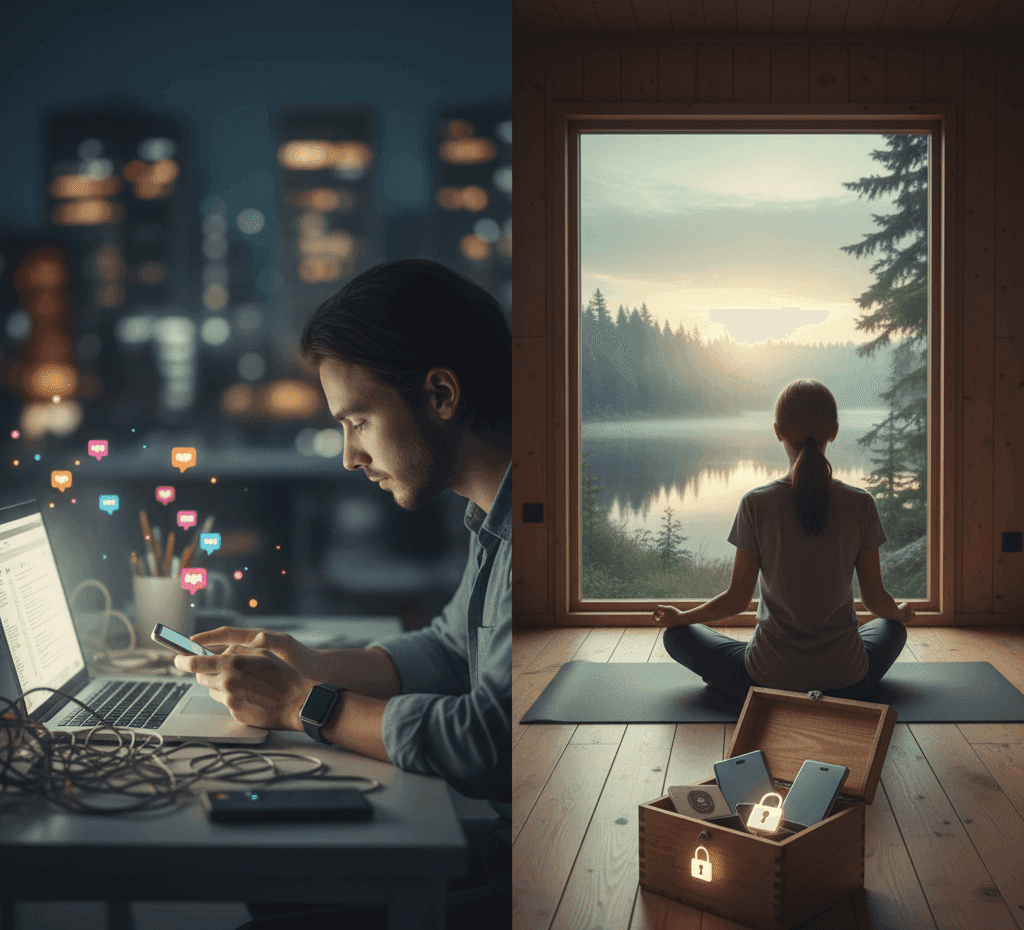
We live in an always-connected world where notifications never stop and the glow of screens follows us everywhere. Between social media, streaming, and work emails, our minds rarely rest. But lately, more people are realizing the need to step back—and that’s where digital detox retreats come in.
They’re not just trendy getaways; they’re part of a growing global movement to reclaim focus, improve wellbeing, and find calm in an overstimulated world.
What Is a Digital Detox Retreat?
A digital detox retreat is a guided escape where you consciously unplug from your devices—phones, tablets, laptops—and immerse yourself in a screen-free environment.
Some retreats ask guests to surrender devices at check-in. Others allow limited use during certain hours. The goal is to quiet digital noise and reconnect with yourself, others, and nature.
Activities often include meditation, hiking, yoga, journaling, creative workshops, and shared group experiences. Unlike ordinary vacations, these retreats focus on inner balance and mindful presence.
In 2025, the concept has evolved. Many retreats now mix modern comfort with eco-friendly designs, mindfulness sessions, and even AI-assisted self-reflection tools that encourage digital minimalism—a mindful approach to using technology only with purpose.
Why Everyone’s Talking About Them
Several cultural shifts have made digital detox retreats a massive trend this year:
- Burnout from constant connectivity — Remote work and endless scrolling have made screen fatigue a common complaint. People are craving peace and genuine rest.
- Greater mental health awareness — We now talk more openly about anxiety, stress, and overstimulation. Retreats offer an intentional way to reset.
- Desire for authentic connection — Many participants rediscover real conversations, shared laughter, and face-to-face interaction—something screens often replace.
- The tech paradox — As tech gets smarter, so does our need to take breaks from it. Ironically, we now use apps that remind us to unplug.
- Wellness-driven travel — Travelers no longer seek only destinations—they want transformative experiences. Digital detox retreats combine wellness, nature, and travel in one meaningful journey.
Benefits People Experience After Unplugging
People who try digital detox retreats often describe them as life-changing, even if just for a few days. Some of the most common benefits include:
| Benefit | How It Helps |
|---|---|
| Reduced stress & anxiety | Being away from constant alerts helps your mind slow down and rest. |
| Better sleep | No late-night blue light or doom-scrolling means deeper, more natural sleep. |
| Improved focus | Without distractions, it’s easier to concentrate, think clearly, and even spark creativity. |
| Emotional balance | Disconnecting helps you tune into your feelings instead of numbing them with constant entertainment. |
| More meaningful connections | With no devices in the way, conversations and relationships become more genuine. |
| Reconnection with nature | Time outdoors boosts serotonin levels and helps restore calm and clarity. |
How to Choose the Right Digital Detox Retreat
If you’re planning your first detox getaway, here’s what to look for:
✅ Prioritize:
- Clear rules on device use (e.g., full surrender or limited time windows)
- Programs that include meditation, yoga, or reflective workshops
- Qualified guides or wellness professionals
- Calm, nature-rich locations away from busy city life
- Sustainable and eco-conscious practices
🚫 Avoid:
- Retreats that use “digital detox” as a buzzword but don’t enforce it
- Overpriced programs with little structure or support
- Unrealistic claims like “cure your addiction in 24 hours”
Tips to Get the Most Out of the Experience
- Set clear intentions. Know what you hope to gain—better focus, calm, creativity, or simply rest.
- Be patient with yourself. The first day without your phone can feel strange, even uncomfortable.
- Embrace the silence. Use the quiet moments for journaling, meditating, or mindful breathing.
- Observe your habits. Notice how often you reach for your device and why.
- Take lessons home. When you return, continue simple boundaries—device-free meals, bedtime unplugging, or scheduled “no screen” hours.
Up Next
Travel & Food
Amex Travel: Unlocking Premium Travel Benefits & Smart Booking Hacks
Up Next
Travel & Food
Costco Travel: Is It Worth It? How to Get the Best Value from Membership Travel Deals